Priyanka and Ayushman in ‘Happy Valentine’

The latest love song ‘Happy Valentine’ features real-life couple –actor Priyanka Karki and Ayushman Deshraj The latest love song ‘Happy Valentine’ features real-life couple –actor Priyanka Karki and Ayushman Deshraj. The song was released on February 8 through HighlightsNepal’s official YouTuble channel. In the music video the couple has a great chemistry and it shines as well. Kedar Upreti has penned the song and Kiran Gajmer has sung the song along with composing the song. https://myrepublica.nagariknetwork.com/news/priyanka-and-ayushman-in-happy-valentine?fbclid=IwY2xjawQbnv1leHRuA2FlbQIxMABicmlkETFWQ2tBVTIzMWtad0tvU1pWc3J0YwZhcHBfaWQQMjIyMDM5MTc4ODIwMDg5MgABHsAFxz52McEXvBQtSu26sk6qufnVgyZ8vezgwZo-QqnKKE-i6PEJ2EamgkxE_aem_WWYxVbkbIqjsaz-OveN4kw
शरणार्थी शिविरदेखि सिनेमासम्मः केदार उप्रेतीको सिनेयात्रा

काठमाडौँ – नेपाली चलचित्र क्षेत्रको परिचित नाम केदार उप्रेतीले आफ्नो जीवनयात्रामा धेरै उतारचढाव पार गरेका छन्। फिचर फिल्म, म्युजिक भिडियो र थिएटरजस्ता विधाहरूमा उनले राम्रो प्रभाव पारेका छन्। ‘झुपडीको पुनर्मिलन’, ‘जिन्दगी र टुक्रिएको मुटु’ ‘पर्दा छ’ जस्ता फिल्महरूले उनलाई परिचित बनायो। बाल्यकाल र कलाप्रति आकर्षण केदार उप्रेतीको जन्म भुटानको सुदूर ग्रामीण क्षेत्रमा भएको थियो। उनका बुबा नेपाली मूलका थिए भने आमा भुटानी। बाल्यकालदेखि नै उनले कलातर्फ झुकाव देखाए। सानैदेखि नाटक, नृत्य र साहित्यप्रति उनको गहिरो रुचि थियो। भुटानमा नेपाली संस्कृतिप्रति दमनकारी नीति रहेको कारण नेपाली भाषा, साहित्य र चलचित्र हेर्न पाउनु दुर्लभ थियो। उनले स्कूलमा भाग लिँदै गर्दा नेपाली शिक्षकहरूले गोप्य रूपमा नेपाली साहित्य पढाउने गर्थे। यसैले नै उनको नेपाली भाषाप्रति लगाव बढायो। भुटानमा हिन्दी चलचित्रहरू मात्र प्रदर्शन गरिन्थ्यो। केदारले ‘लाहुरे’ (१९८५) जस्ता नेपाली फिल्म धेरैपटक हेरे। सोही कारण उनी अभिनयप्रति आकर्षित भए। उनको कल्पनाशील मनले पात्रहरूसँग आत्मियता बढाउँदै गयो। स्कूलको वार्षिकोत्सवमा नाटक प्रस्तुत गर्ने चलन थियो। अग्रजहरूले नाटक खेलेको देख्दा उनलाई पनि खुब नाटक खेल्न मन लाग्थ्यो। तर आफू सानै र नेपाली मूलको पनि भएकाले अवसर पाउँदैन थिए । साथै भुटानमा नेपाली सांस्कृतिक गतिविधिहरूमा लगाएको प्रतिबन्धले उनलाई प्रष्फुटित हुन दिएन। नेपाल आगमन र कलाको खोज १९९० को दशकमा भुटानबाट लाखौं नेपाली मूलका समुदाय शरणार्थीको रूपमा नेपाल आइपुगे। केदार पनि आमासँग नेपाल आए। उनीहरू झापा र मोरङको शिविरमा बसोबास गर्न थाले। त्यहाँ उनले नेपाली संस्कृति र कलाको स्वतन्त्र अभिव्यक्ति देखे। शिविरमा आयोजित सांस्कृतिक कार्यक्रमहरूमा उनले नाटक र नृत्यमा सहभागिता जनाउन थाले। केदार भुटानमा आन्दोलन सुरु नभएको भए नेपालमा शरणार्थीको रूपमा नआउने बताउँछन्। भुटानले नेपाली पढ्न मनाही गरेपछि शरणार्थी हुन बाध्य भएको उनको भनाइ छ। उनीहरुका लागि भाषा पहिचान थियो। २००० सालमा केदारले बिर्तामोडस्थित एउटा कला संस्थामा औपचारिक अभिनय तालिम सुरु गरे। केदारसँग पढ्ने एक जना साथी जगत जेकेले विर्तामोडबाट अभिनय सिकेका थिए। उनैले केदारलाई अभिनय सिकाउँथे। स्कुलमा पनि अभिनय सिकाउने गुरु हुनुहुन्थ्यो। गुरुले २०–२५ जनाको समूह बनाएर फर्मल अभिनय सिकाउँथे। त्यसमा केदार पनि जोडिए। त्यसबेला परीक्षा दिन विर्तामोड वा दमकमै जानुपर्थ्यो। सबै क्यामका अभिनय र नृत्य सिक्ने बेला हुँदा ५ सयदेखि एक हजार जनासम्म भेला हुन्थे। सातवटा क्याम्पमा प्रशिक्षण लिएर उनले नाट्यकला, संवाद अभिव्यक्ति, र चरित्र निर्माणमा निपूणता हासिल गरे। यसैबीच उनले आफ्नै नाट्य समूह गठन गरेर शिविरमा प्रस्तुति दिन थाले। शरणार्थी जीवनको पीडा, आशा र संघर्षलाई नाटकको माध्यमबाट चित्रण गर्ने उनको शैलीले सराहना पायो। केदारले अभिनय सिकिसकेपछि त्यहाँ भुटानी साहित्य तथा संस्कृतिक कला केन्द्र खोली सातवटै क्याममा सिकाउने जिम्मेवारी पनि पाए। More https://deshsanchar.com/2025/05/31/1052169/?fbclid=IwY2xjawQbnxtleHRuA2FlbQIxMABicmlkETFWQ2tBVTIzMWtad0tvU1pWc3J0YwZhcHBfaWQQMjIyMDM5MTc4ODIwMDg5MgABHtLxB_7UCLiDyskOyZ9tw85SA6b-J4J5utkZ7PsfT6JxLfrSew5dUnBwdCDX_aem_27j5TepbFpkoMb9S6fS3fA
The Snow is Singing
Based on oral histories of lived experience, an eight-year-old boy in a quiet Midwestern town begins to carry the unspoken memories of his grandparents’ forced displacement from Bhutan, as renewed fears of deportation force his family to confront a past they tried to bury. Type: Fiction Genre: Drama Synopsis In a quiet Midwestern U.S. town, eight-year-old Ishir begins to manifest the suppressed trauma of his grandparents’ exile from Bhutan. Memories of ethnic cleansing, never spoken aloud, surface through the child’s body, dreams, and behavior, unsettling the family’s fragile sense of safety. As inherited memories bleed into everyday life, the family’s American sanctuary starts to unravel. When renewed deportation raids spread fear through their community, silence is no longer a protection. To save Ishir and themselves, three generations must confront their buried past and reclaim their shared strength to survive yet another era of displacement. Artistic statement Why Now?After surviving one of the largest forced displacements in modern history, the Bhutanese refugee community in the United States is once again living under the shadow of fear. This community already carries deep, unresolved trauma and one of the highest suicide rates among refugee populations. Recent reports in 2026 reveal dozens deported and hundreds arrested across Midwestern states. For some, forced return to Nepal—the temporary refuge they once fled to survive- has led to devastating outcomes, including suicide. The Snow Is Singing responds urgently to this unfolding humanitarian crisis, examining how generational trauma resurfaces when the threat of statelessness returns. Visual Statement: Drawing on the director’s three decades of theater experience, The Snow Is Singing fuses stagecraft and cinema to create a poetic, immersive language of memory. The film blends gritty realism with moments of abstraction, using symbolic materials, physical gestures, and sensory rhythms to explore how trauma is inherited and embodied. By moving beyond conventional narrative structure, the film externalizes the subconscious weight of migration and identity. Memory becomes physical, space becomes emotional, and the invisible scars of the Lhotshampa diaspora are rendered visible on screen. Key Themes: Family, Child Psychology, Mental Health, and US Immigration Bimal Subedi Writer/Director/Producer Bimal Subedi is a distinguished theatre director, filmmaker, actor, and academician with over 20 years of experience, internationally recognized for his visionary contributions to contemporary theatre and film, including a landmark collaboration with Shakespeare’s Globe Theatre Company and the award-winning feature film Dying Candle. Joes Pandey Writer/Actor/Producer Joes Pandey is a prominent figure in Nepali cinema, active since 2010 as an actor, director, and producer, known for his directorial debut Saanghuro (2013) and a focus on culturally rich, socially immersive storytelling. Samundra Raj Ghimire Producer Samundra Raj Ghimire is a filmmaker, photographer, and former journalist whose challenging upbringing in rural Nepal informs his unique artistic vision. He blends avant-garde techniques and magical realism to explore themes of identity, migration, and cultural memory in his acclaimed films and photography. He has directed and written numerous short films and documentaries, including “The Black Side of the River,” “Buttermilk,” and “Forging the Self.” Additionally, he has contributed to two feature films: “The Snow is Singing,” as a producer, and “The World’s Happiest Man,” as an associate art director. Aakash Khatiwada Executive Producer/Actor Aakash Khatiwada is a social worker, human rights advocate, and former Bhutanese refugee whose lived experiences powerfully inform his debut as executive producer and lead actor in The Snow is Singing, a film shaped by his lifelong commitment to justice and storytelling. Chin-En Gau Cinematographer Chin-En Gau is a Taiwan-born writer, director, cinematographer, and educator based in New York City, recognized for his intimate and visually evocative filmmaking style that explores themes of memory, cultural identity, and self-discovery, with his work showcased internationally and his cinematography featured at major festivals like Berlin and Busan. Dikesh Khadgi Shahi Sound Designer Dikesh Khadgi Shahi is a Kathmandu-based sound engineer, sound designer, and filmmaker from Nepal. He is known for his award-winning short films and acclaimed sound work on projects that explore themes of liberation and memory. His sound design on the film “Shambhala” competed for the Golden Bear at the Berlin International Film Festival, and his work on “LORI” received a Special Mention at Cannes. Sandeep Shrestha Editor Sandeep Shrestha is a Kathmandu/New York-based film editor and educator from Nepal, known for his work on films showcased at major international festivals like Sundance and Rotterdam, and for mentoring emerging filmmakers. Ayusha Sanjel Chhetri Chief Assistant Director Ayusha Sanjel Chhetri is a Queens, NY-based filmmaker from Nepal with an MFA in Documentary Filmmaking, focusing on identity, culture, and social issues, exemplified by her recent work, Chhaupadi: The Impure Girl. Kedar Upreti Actor Kedar Upreti is an actor, director, and producer known for his versatility and work in both the Bhutanese and Nepali film industries. Starting his career in 2000 with the movie “Punarmilan,” he has directed over four dozen music videos and starred in more than 15 films. He has received several accolades, including the Best Director award for the short movie “Karma” in 2018. His notable films include “Jhupadi Ko Jindagi” (2005) and “Tukriyeko Mutu” (2007). Kaushila Khanal Karmacharya Executive Producer Kaushila Khanal Karmacharya is a multifaceted leader—PhD candidate, Taekwondo master, lyricist, choreographer, and devoted mother—whose dedication to academia, the arts, sports, and community service embodies resilience, creativity, and inspiration. Barsha Raut Actor Barsha Raut is a celebrated Nepali actress and model known for her expressive performances in both comedic and dramatic roles. She made her film debut with Nai Nabhannu La 4 (2016) and rose to fame with hits like Jatra, Chhakka Panja, Gopi, and Jatrai Jatra.With multiple acting awards to her name, Barsha has become one of the most popular faces in Nepali cinema. In 2024, she starred in Mahajatra, the latest installment in the Jatra franchise. Off-screen, she is known for her vibrant personality and strong social media presence. Pooja Chand Actor Pooja Chand, also known as Pooja R. Lama, is a celebrated Nepali actress, poet, lyricist, dancer, and community leader whose versatile artistry and dedication have left a lasting impact on both the entertainment industry and the Nepali diaspora. Ishir Karmacharya Actor Ishir Karmacharya was born in Akron, Ohio, to a Nepali immigrant father and a Bhutanese refugee
Mystery and Emotion Unfold: ‘HIU KO GEET’ Motion Poster Released
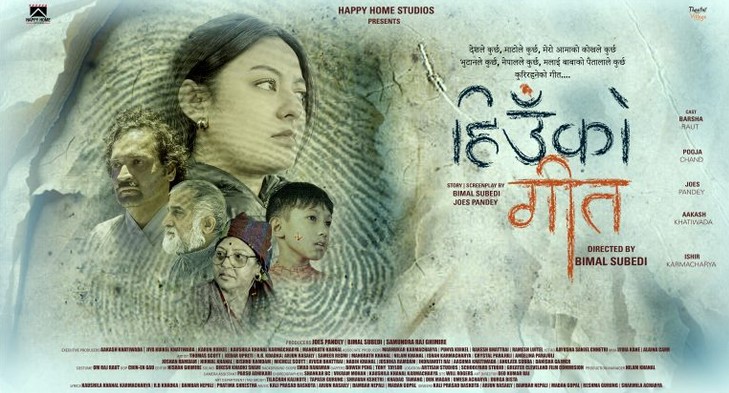
Acclaimed Theatre Director Bimal Subedi Debuts Motion Poster for His Latest Film ‘HIU KO GEET’ has been released. Bimal Subedi is a well-known figure in both national and international realms. He has earned a significant acclaimed and honored for uplifting Nepali theatrical scene, so his name is not just at a national level but also internationally recognized. Having contributed significantly to the Nepali art scene through theater and academia for a long time, Bimal has collaborated with many filmmakers and has also been involved in teaching; however, he always wishes to be recognized as an theatre artist. This time, he is coming to the audience soon with a new Nepali film ‘HIU KO GEET’ which he has produced, scripted, and directed himself. Bimal is a familiar name in the international scene for innovative and experimental work. His work with Theatre Village is always distinct from others Nationally and internationally. It is evident from his motion poster that he has maintained that legacy in this film as well. In writing, Bimal has collaborated with wellknown film director Joyesh Pandey. The motion poster of the film ‘HIU KO GEET’, featuring main roles played by actress Barsha Raut and Joyesh Pandey, has been made public, showing Akash Khatri, Ishir Karmacharya, and Pooja Chand in central roles as well. The released poster not only introduces the main actors of the film but also presents the subject matter in a metaphorical and poetic manner. The poster reveals the artists’ sad eyes and their gaze towards the horizon, highlighting their endless wait. The film directed by Bimal Subedi has been shot in Cleveland, Ohio, and Pittsburgh, Pennsylvania. It has been produced for Happy Home Studios by Joyesh Pandey, Bimal Subedi, and Samundra Raj Ghimire. According to producer, director, and writer Bimal Subedi, the film powerfully encapsulates the stories of Nepali-speaking Bhutanese and Nepali immigrants. He informed that the film portrays the dreams, aspirations, identity crises, struggles, and the extreme injustices, atrocities, brutality, and severe torture faced by Nepali-speaking Bhutanese during that time, across different generations born and raised in Bhutan, Nepal, and America. In the film, Jiya Kuikel khatiwada, Karun Kuikel , Kaushila Khanal Karmacharya, Aakash khatiwada, and Manorath Khanal serve as executive producers, while Rakesh Bhattrai, Ramesh Luintel, and Punya Kuinkel are co-producers. The film has been facilitated by the Nepali-speaking Bhutanese community around Akron, Columbus, and Pennsylvania, and Theatre Village has also collaborated in its production. Besides Barsha and Joyesh, the film features performances by Pooja Chand, AakashKhatiwada, Ishir Karmacharya, Thomas Keith Scott, Kedar Upreti, R.B. Khadka, Arjun Rasaily, Manorath Khanal, and others. More than four dozen artists from the Pennsylvania Harrisburg and Ohio areas, including Cuyahoga Falls, Akron, Columbus, and the Sunshine Taekwondo and Dance Academy, as well as from the Intra Foundation, have acted in the film. Filmmakers from Nepal, Bhutan, Taiwan, China, and Mexico have worked on the film. The film has been shot by Chin-en Gau and edited by Nishan Ghimire. Ayusha Sanjel is the assistant director, with the sound recording and editing by Dikes Khadgi Shahi, art direction led by Deu Kumar Rai and Threat Art Group, and dance direction by Shankar B.C and Kaushila Khanal Karmacharya. The film features lyrics by Kaushila Khanal Karmacharya, R.B. Khadka, Dambar Nepali, and Pratima Shrestha, as well as music and singing by Kali Prasad Baskota, Imad Rahman, Madan Gopal, Dambar Nepali, and Arjun Rasaily.